
Understanding Canadian Immigration Status
Differences Between Permanent Residence, Citizenship, Visitor, Worker, and Student
Canada is one of the most desirable destinations for people all around the world. The country offers a high quality of life, excellent healthcare, and world-class education. Whether you are planning to move to Canada for work or study, or you are just visiting, it is important to understand the different types of status that you can have in the country. Let’s discuss the differences between permanent residence, citizenship, visitor, and worker status in Canada.
Permanent Residence
Permanent residence is a status that allows you to live and work in Canada indefinitely. It is the first step towards becoming a Canadian citizen. Permanent residents have the right to access most of the same benefits and services as Canadian citizens, such as healthcare and social programs.
To become a permanent resident of Canada, you must apply through one of the immigration programs. The most popular immigration program is the Express Entry program, which is a point-based system that ranks candidates based on factors such as age, education, work experience, and language proficiency. Other immigration programs include the Provincial Nominee Program, the Family Sponsorship Program, and the Business Immigration Program.
Once you become a permanent resident, you will receive a Permanent Resident Card (PR Card), which is a wallet-sized card that proves your status. You must renew your PR Card every five years. You can also apply for Canadian citizenship after living in Canada for at least three years as a permanent resident.
Citizenship
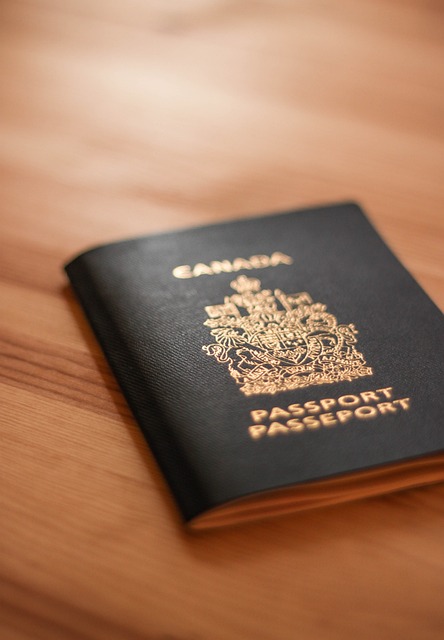
Canadian citizenship is the highest status that you can obtain in Canada. It gives you all the rights and privileges of a Canadian citizen, including the right to vote, run for public office, and obtain a Canadian passport.
To become a Canadian citizen, you must first be a permanent resident of Canada. You must also meet certain eligibility criteria, such as having a good knowledge of English or French and passing a citizenship test. Once you meet the requirements, you can apply for citizenship through the Immigration and Citizenship Canada website.
Visitor
A visitor is a person who comes to Canada for a temporary period, usually for tourism or visiting family or friends. Visitors are not allowed to work or study in Canada without the proper permits. Depending on the country of origin, visitors may need a visa to enter Canada.
Visitors are usually granted a stay of up to six months in Canada. If they wish to stay longer, they must apply for an extension of their stay. Visitors are not entitled to healthcare or other social services, and they are not eligible for most government programs.
Work Permit
A worker is a person who comes to Canada to work temporarily. There are two main types of work permits: employer-specific work permits and open work permits.
An employer-specific work permit allows you to work for a specific employer in Canada. You must have a job offer from the employer before you can apply for this type of work permit. Your work permit will be valid for the duration of your employment.
An open work permit allows you to work for any employer in Canada. This type of work permit is usually issued to people who have applied for permanent residence in Canada or to the spouses or common-law partners of Canadian citizens or permanent residents. Your open work permit will be valid for a specific period of time.
Study Permit
A student is a person who comes to Canada to study at a designated learning institution (DLI). To study in Canada, you must first be accepted by a DLI and obtain a study permit from the Canadian government.
A study permit allows you to stay in Canada for the duration of your studies. It also allows you to work part-time on campus while you are studying, and full-time during scheduled breaks, such as summer vacation. If you graduate from a Canadian post-secondary institution, you may be eligible to apply for a post-graduation work permit, which allows you to work in Canada for up to three years after you graduate.

To obtain a study permit, you must meet certain eligibility criteria, such as being accepted to a DLI, having enough money to support yourself and any dependents while you are in Canada, and being in good health. You may also need to provide biometric information, such as fingerprints and a photograph.
As a student in Canada, you are not entitled to healthcare or other social services, and you are not eligible for most government programs. However, you may be eligible for scholarships or other financial aid from your school or other organizations.
In addition to the study permit, international students may also need a visitor visa or electronic travel authorization (eTA) to enter Canada, depending on their country of origin. It is important to check the requirements before you travel to Canada.
In conclusion, understanding the differences between permanent residence, citizenship, visitor, and worker status in Canada is important if you are planning to live, work, or visit the country. Each status comes with its own set of rights and responsibilities, and it is important to choose the status that best fits your needs. Whether you are looking to move to Canada permanently, work temporarily, or visit as a tourist, there is a status that will suit your needs.
 CANdream Canada - Immigration Advice